News
FiberFlow Receives SAB Technology Start-Up Grant
FiberFlow Receives SAB Technology Start-Up Grant
At the start of 2026, FiberFlow has been awarded the Technologiegründungsstipendium by the Sächsische Aufbaubank (SAB). The grant, co-funded by the State of Saxony and the European Social Fund Plus (ESF+), supports the founding of innovative technology companies in Saxony and provides the founders of FiberFlow with up to twelve months of personal scholarship funding.
What the SAB Technology Start-Up Grant Is
The Technology Start-Up Grant is a Saxon state programme for founders building genuinely new technology out of a scientific or academic background. Unlike project grants, it is awarded directly to the founders as individuals, recognising that in the early stages of a deep-tech company, the people and the idea are inseparable. It is designed to cover living costs so that founders can focus entirely on the company without taking on external work alongside it.
For FiberFlow to qualify, the founding concept had to demonstrate a credible technical product or process innovation with clear market potential. The SAB's decision to award the stipendium is an independent confirmation that the separation technology FiberFlow has spent the past year proving in the lab meets that bar.
Where FiberFlow Stands
The EXIST Gründungsstipendium, which FiberFlow received in October 2024, covered the lab phase. That phase is now complete: every process step has been built and proven to work. The prototypes are done.
The SAB stipendium arrives at the right moment. FiberFlow's immediate challenge is scaling up production, moving from validated lab results to a throughput at which recycling customers can receive and test sample material.
At the start of 2026, FiberFlow has been awarded the Technologiegründungsstipendium by the Sächsische Aufbaubank (SAB). The grant, co-funded by the State of Saxony and the European Social Fund Plus (ESF+), supports the founding of innovative technology companies in Saxony and provides the founders of FiberFlow with up to twelve months of personal scholarship funding.
What the SAB Technology Start-Up Grant Is
The Technology Start-Up Grant is a Saxon state programme for founders building genuinely new technology out of a scientific or academic background. Unlike project grants, it is awarded directly to the founders as individuals, recognising that in the early stages of a deep-tech company, the people and the idea are inseparable. It is designed to cover living costs so that founders can focus entirely on the company without taking on external work alongside it.
For FiberFlow to qualify, the founding concept had to demonstrate a credible technical product or process innovation with clear market potential. The SAB's decision to award the stipendium is an independent confirmation that the separation technology FiberFlow has spent the past year proving in the lab meets that bar.
Where FiberFlow Stands
The EXIST Gründungsstipendium, which FiberFlow received in October 2024, covered the lab phase. That phase is now complete: every process step has been built and proven to work. The prototypes are done.
The SAB stipendium arrives at the right moment. FiberFlow's immediate challenge is scaling up production, moving from validated lab results to a throughput at which recycling customers can receive and test sample material.
The Lab Phase Is Over. Every Process Step Works.
The Lab Phase Is Over. Every Process Step Works.
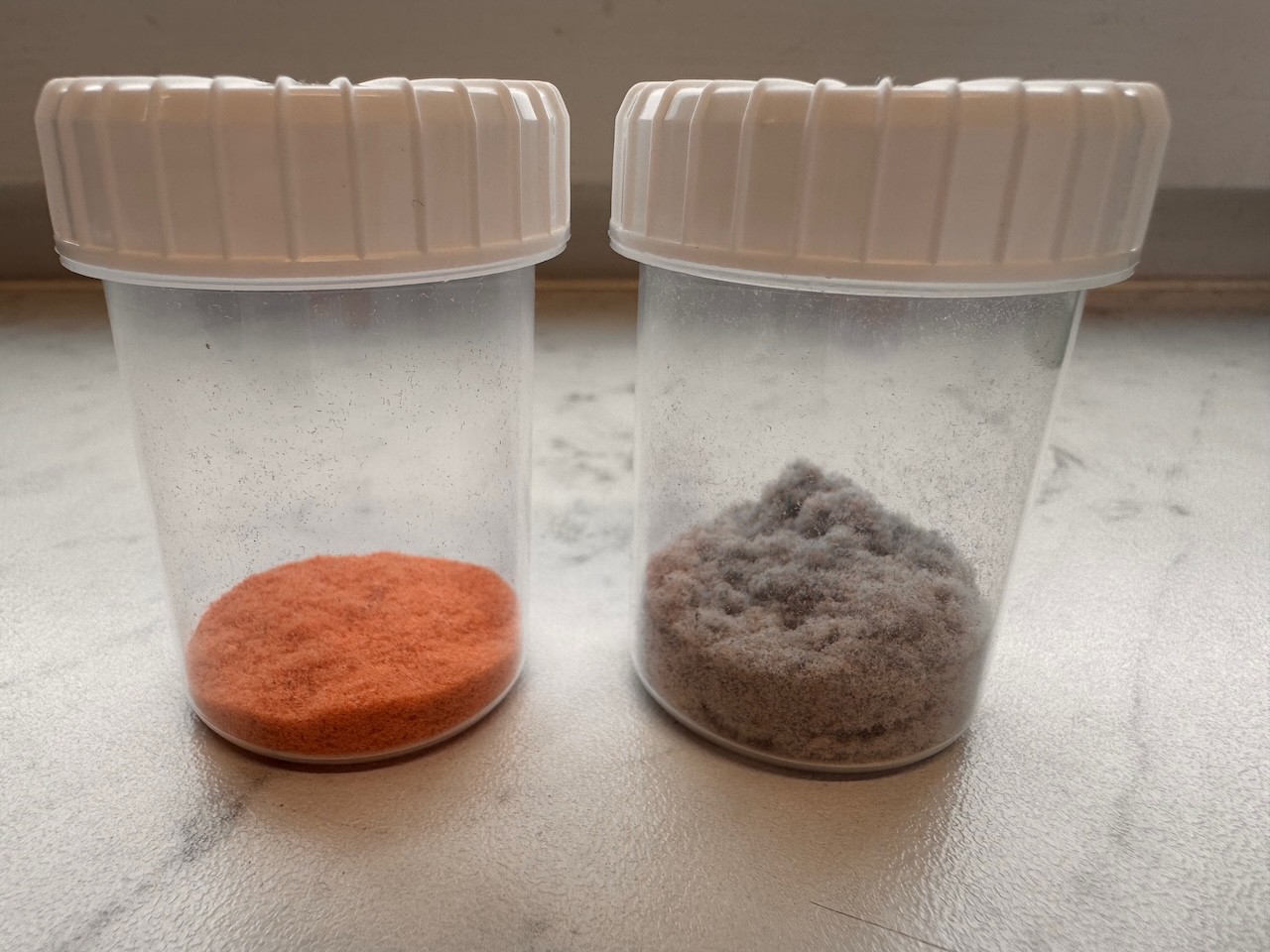
When FiberFlow received the EXIST Gründungsstipendium in October 2024, the technology existed only as an idea. One year later, the lab phase is complete. Every process step has been built and proven to work. The prototypes are done.
That is not a small thing. Moving from a concept to a functioning separation process, one that can take post-consumer textile waste and produce clean, single-fiber fractions, required solving a long chain of technical problems, one after the other. The Founders of FiberFlow spent the past year doing exactly that, working out of HTWK Leipzig with the focus the scholarship made possible.
What Was Proven
FiberFlow's process separates blended post-consumer and post-industrial textile waste into single-fiber fractions: polyester, cellulose, polyamide, polypropylene, acrylic, and elastane. Each step in that process has now been validated in the lab. Purity levels reach up to 99%, verified by FTIR spectroscopy.
The question that drove the lab phase "does the process actually work?" has been answered.
What Comes Next
Proving a process in the lab and producing material at a volume useful to a recycling customer are two different problems. That is the challenge FiberFlow is now turning to: scaling up production to a point where samples can be delivered to recycling companies running chemical, thermo-mechanical, or biological processes.
The path from lab prototype to sample-ready output requires a different kind of work than the year that just ended — more engineering, more capital, and the right partners. That is what the next phase is about.
Recycling companies interested in working with FiberFlow on sample material are more than welcome to get in touch through our Pioneer Program!
When FiberFlow received the EXIST Gründungsstipendium in October 2024, the technology existed only as an idea. One year later, the lab phase is complete. Every process step has been built and proven to work. The prototypes are done.
That is not a small thing. Moving from a concept to a functioning separation process, one that can take post-consumer textile waste and produce clean, single-fiber fractions, required solving a long chain of technical problems, one after the other. The Founders of FiberFlow spent the past year doing exactly that, working out of HTWK Leipzig with the focus the scholarship made possible.
What Was Proven
FiberFlow's process separates blended post-consumer and post-industrial textile waste into single-fiber fractions: polyester, cellulose, polyamide, polypropylene, acrylic, and elastane. Each step in that process has now been validated in the lab. Purity levels reach up to 99%, verified by FTIR spectroscopy.
The question that drove the lab phase "does the process actually work?" has been answered.
What Comes Next
Proving a process in the lab and producing material at a volume useful to a recycling customer are two different problems. That is the challenge FiberFlow is now turning to: scaling up production to a point where samples can be delivered to recycling companies running chemical, thermo-mechanical, or biological processes.
The path from lab prototype to sample-ready output requires a different kind of work than the year that just ended — more engineering, more capital, and the right partners. That is what the next phase is about.
Recycling companies interested in working with FiberFlow on sample material are more than welcome to get in touch through our Pioneer Program!
FiberFlow Wins the Digital Award at SpinLab's Summer School for Diverse Startups
FiberFlow Wins the Digital Award at SpinLab's Summer School for Diverse Startups
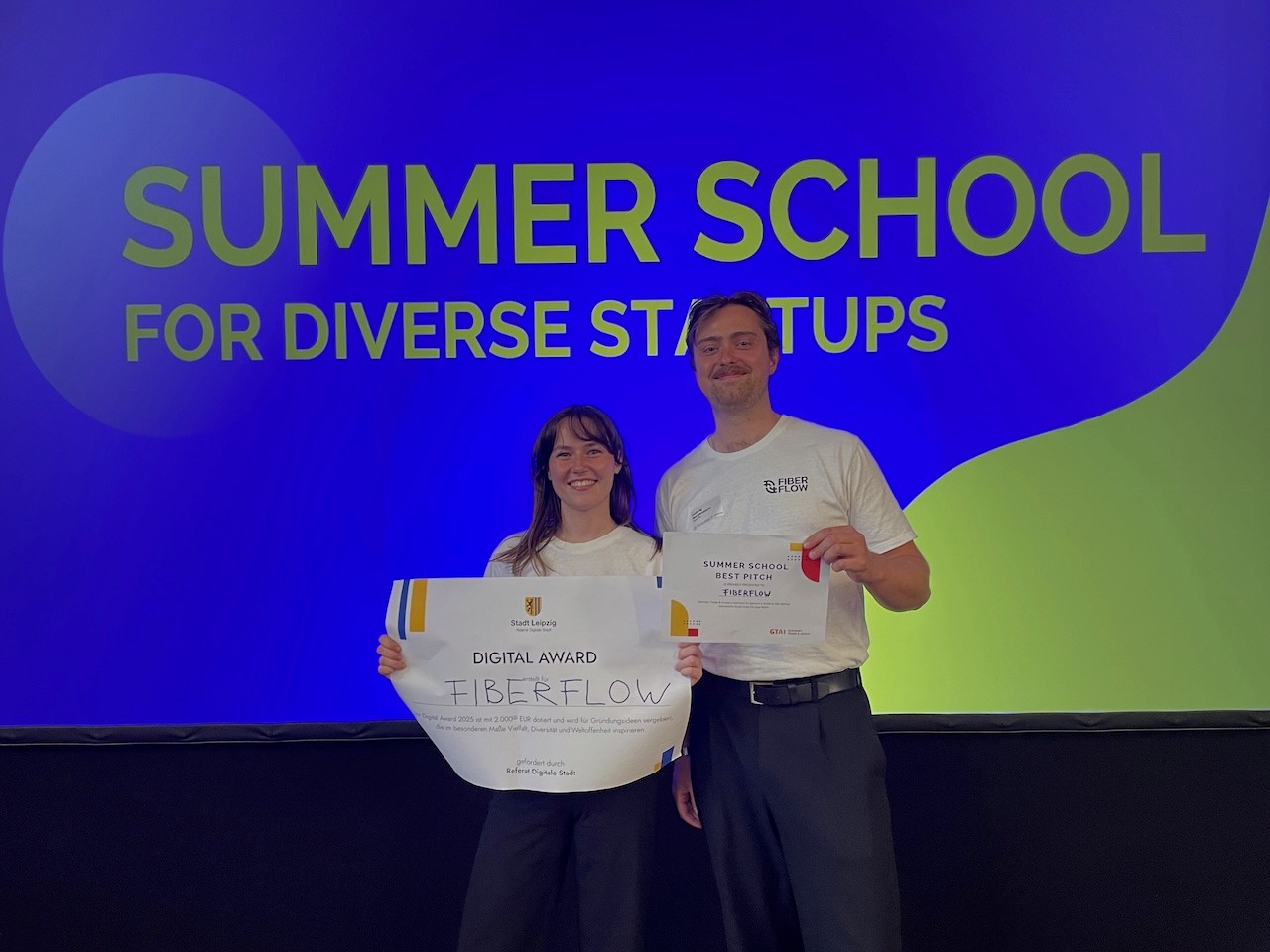
In July 2025, FiberFlow took part in the fifth edition of the Leipzig Summer School for Diverse Startups, run by SpinLab – The HHL Accelerator and HHL Digital Space. At the closing pitch event, FiberFlow won the Digital Award, presented by the City of Leipzig and endowed with €2,000.
What the Summer School Is
The Leipzig Summer School for Diverse Startups is a free, one-week acceleration programme for founders from underrepresented backgrounds, including women, people with international or migration histories, and others who are statistically underrepresented in the startup world. Now in its fifth year, the programme combines hands-on workshops on sales, marketing, and financing with 1:1 coaching, access to Leipzig's startup ecosystem, and a public pitch contest at the end of the week.
The programme is backed by a broad partner network including the City of Leipzig, EDIH Saxony, Dell Technologies, TGFS, and Germany Trade & Invest.
The Pitch Contest
The week's final event on July 24 brought together the participating teams to present their ideas before a jury of experts and a public audience. FiberFlow made its case for fiber-level separation of post-consumer textile waste and convinced the jury. The Digital Award, granted by the City of Leipzig, went to FiberFlow.
In July 2025, FiberFlow took part in the fifth edition of the Leipzig Summer School for Diverse Startups, run by SpinLab – The HHL Accelerator and HHL Digital Space. At the closing pitch event, FiberFlow won the Digital Award, presented by the City of Leipzig and endowed with €2,000.
What the Summer School Is
The Leipzig Summer School for Diverse Startups is a free, one-week acceleration programme for founders from underrepresented backgrounds, including women, people with international or migration histories, and others who are statistically underrepresented in the startup world. Now in its fifth year, the programme combines hands-on workshops on sales, marketing, and financing with 1:1 coaching, access to Leipzig's startup ecosystem, and a public pitch contest at the end of the week.
The programme is backed by a broad partner network including the City of Leipzig, EDIH Saxony, Dell Technologies, TGFS, and Germany Trade & Invest.
The Pitch Contest
The week's final event on July 24 brought together the participating teams to present their ideas before a jury of experts and a public audience. FiberFlow made its case for fiber-level separation of post-consumer textile waste and convinced the jury. The Digital Award, granted by the City of Leipzig, went to FiberFlow.
FiberFlow Featured in the Sourcing Journal Sustainability Report 2025
FiberFlow Featured in the Sourcing Journal Sustainability Report 2025
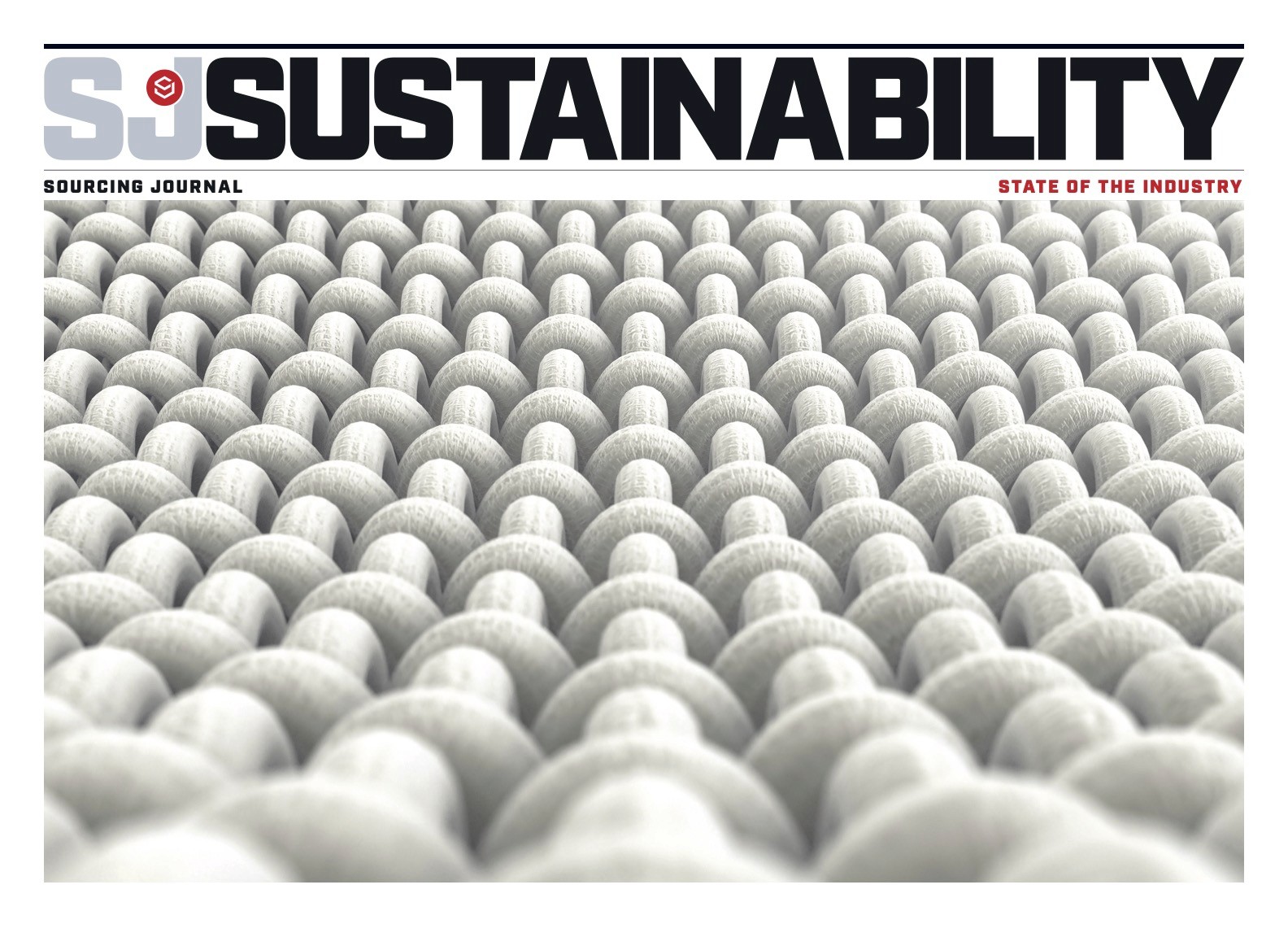
FiberFlow has been included in the Sourcing Journal's Sustainability Report 2025, one of the most widely read industry publications covering the global apparel and textile supply chain. Alongside five other startups, FiberFlow's fiber separation technology was highlighted as part of a new generation of solutions pushing the industry toward a circular textile economy.
What the Sourcing Journal Is
The Sourcing Journal is a trade publication followed closely by brands, manufacturers, and suppliers across the global fashion and textile industry. Its annual Sustainability Report surveys the landscape of emerging technologies and companies shaping where the industry is heading.
Why It Matters
FiberFlow's inclusion signals that the problem it is working on — fiber-level separation of post-consumer textile waste — is being taken seriously at an industry level. The recycling infrastructure the textile sector needs to become genuinely circular depends on consistent, high-purity single-fiber fractions as input. That is still largely missing. Publications like the Sourcing Journal covering this space help connect the startups working on it with the brands and manufacturers who will eventually need to source from them.
For Ludwig and Lena, who are currently building FiberFlow's first prototypes out of Leipzig, the coverage is a useful signal that the direction is right — and that the industry is watching.
The full report is available at sourcingjournal.com.
FiberFlow has been included in the Sourcing Journal's Sustainability Report 2025, one of the most widely read industry publications covering the global apparel and textile supply chain. Alongside five other startups, FiberFlow's fiber separation technology was highlighted as part of a new generation of solutions pushing the industry toward a circular textile economy.
What the Sourcing Journal Is
The Sourcing Journal is a trade publication followed closely by brands, manufacturers, and suppliers across the global fashion and textile industry. Its annual Sustainability Report surveys the landscape of emerging technologies and companies shaping where the industry is heading.
Why It Matters
FiberFlow's inclusion signals that the problem it is working on — fiber-level separation of post-consumer textile waste — is being taken seriously at an industry level. The recycling infrastructure the textile sector needs to become genuinely circular depends on consistent, high-purity single-fiber fractions as input. That is still largely missing. Publications like the Sourcing Journal covering this space help connect the startups working on it with the brands and manufacturers who will eventually need to source from them.
For Ludwig and Lena, who are currently building FiberFlow's first prototypes out of Leipzig, the coverage is a useful signal that the direction is right — and that the industry is watching.
The full report is available at sourcingjournal.com.
FiberFlow Reaches Top 20 of the H&M Foundation Global Change Award 2025
FiberFlow Reaches Top 20 of the H&M Foundation Global Change Award 2025
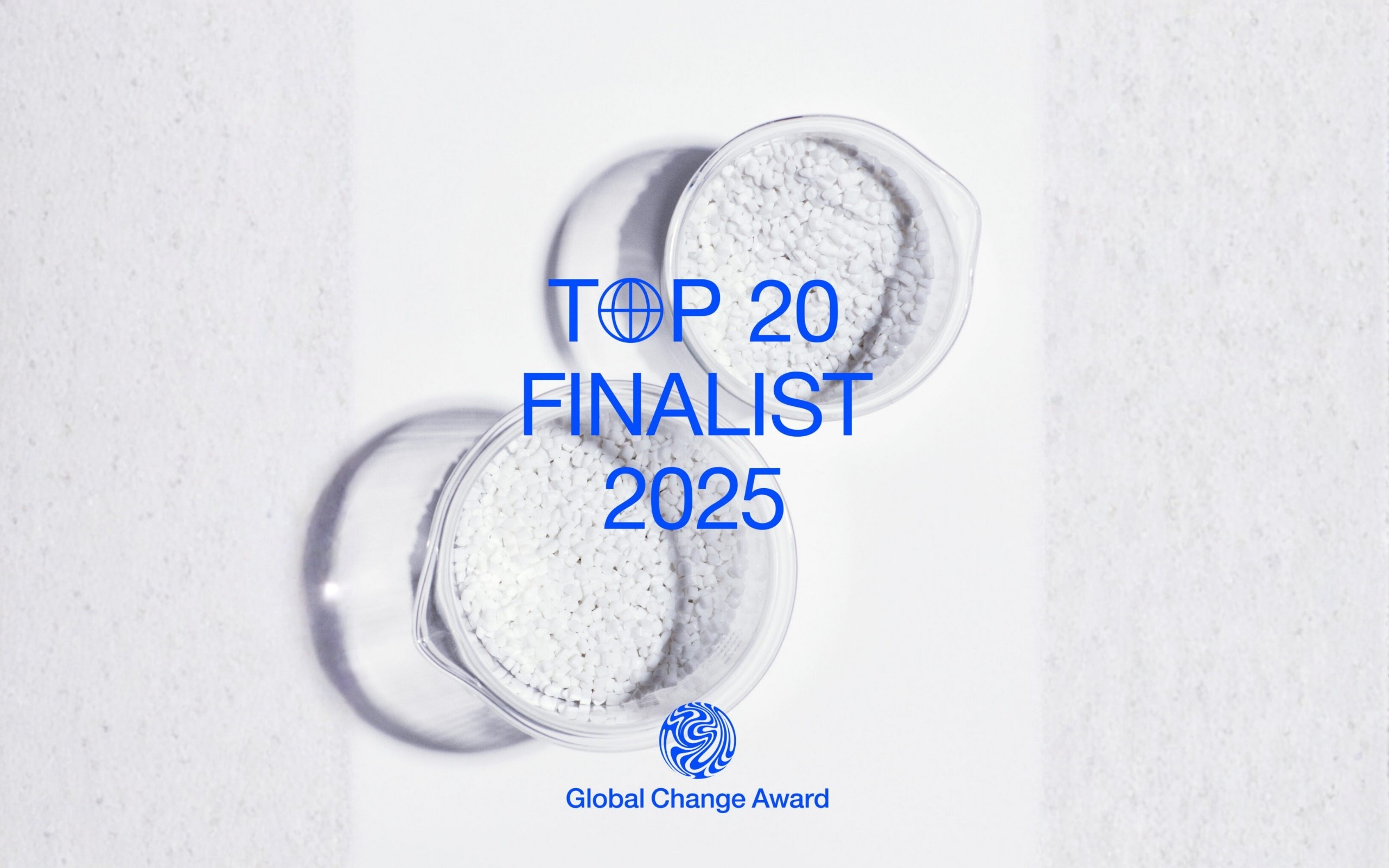
FiberFlow has been selected as one of the top 20 finalists for the Global Change Award 2025, run by the H&M Foundation. Out of thousands of applications from around the world, FiberFlow is one of twenty early-stage innovations that made it to this stage.
What the Global Change Award Is
The Global Change Award is one of the largest innovation prize in the textile industry. Run annually by the H&M Foundation since 2015, it backs early-stage ideas with the potential to fundamentally change how the textile industry operates. Each year, ten winners share a €2 million grant — €200,000 each — and gain access to the yearlong GCA Changemaker Programme, delivered together with Accenture and KTH Royal Institute of Technology.
Reaching the top 20 means FiberFlow's approach to fiber-level separation of post-consumer textile waste has been assessed against the field and found to be among the most promising ideas currently in development anywhere in the industry.
Why This Matters
The textile recycling sector has a contamination problem. Chemical and thermo-mechanical recycling processes require clean, single-fiber input. The infrastructure to sort blended post-consumer waste to that level of purity does not yet exist at scale. That is exactly the gap FiberFlow is working to close.
Being recognised at this stage is a signal that the problem FiberFlow is tackling is real, and that the approach to solving it is credible.
What Comes Next
The ten winners will be announced in the coming weeks. Whatever the outcome, reaching the top 20 of the Global Change Award puts FiberFlow on a short list of the most relevant early-stage textile innovations in the world right now. That visibility matters , for future partners, investors, and recycling companies looking for fiber separation solutions.
FiberFlow has been selected as one of the top 20 finalists for the Global Change Award 2025, run by the H&M Foundation. Out of thousands of applications from around the world, FiberFlow is one of twenty early-stage innovations that made it to this stage.
What the Global Change Award Is
The Global Change Award is one of the largest innovation prize in the textile industry. Run annually by the H&M Foundation since 2015, it backs early-stage ideas with the potential to fundamentally change how the textile industry operates. Each year, ten winners share a €2 million grant — €200,000 each — and gain access to the yearlong GCA Changemaker Programme, delivered together with Accenture and KTH Royal Institute of Technology.
Reaching the top 20 means FiberFlow's approach to fiber-level separation of post-consumer textile waste has been assessed against the field and found to be among the most promising ideas currently in development anywhere in the industry.
Why This Matters
The textile recycling sector has a contamination problem. Chemical and thermo-mechanical recycling processes require clean, single-fiber input. The infrastructure to sort blended post-consumer waste to that level of purity does not yet exist at scale. That is exactly the gap FiberFlow is working to close.
Being recognised at this stage is a signal that the problem FiberFlow is tackling is real, and that the approach to solving it is credible.
What Comes Next
The ten winners will be announced in the coming weeks. Whatever the outcome, reaching the top 20 of the Global Change Award puts FiberFlow on a short list of the most relevant early-stage textile innovations in the world right now. That visibility matters , for future partners, investors, and recycling companies looking for fiber separation solutions.
FiberFlow is Part of the Future Female Innovation Leaders Program
FiberFlow is Part of the Future Female Innovation Leaders Program
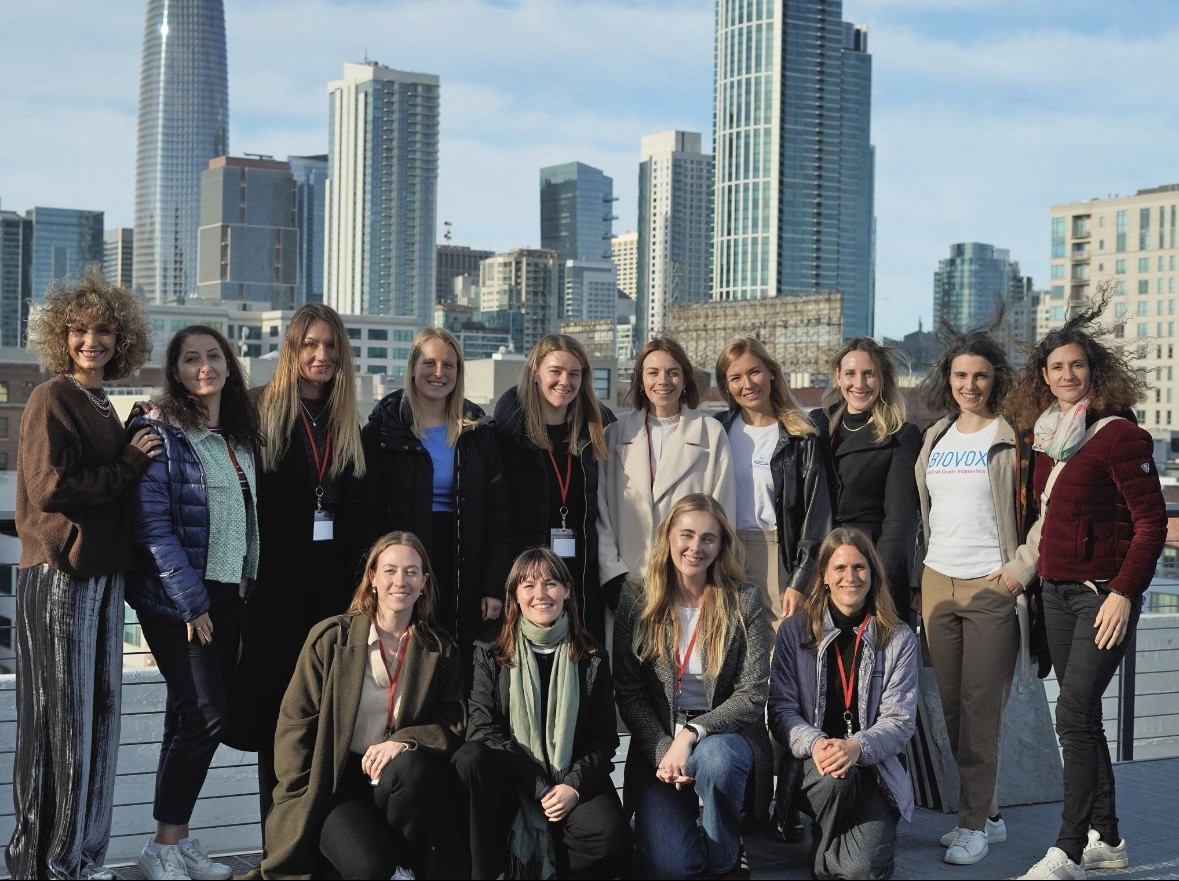
In October and November 2024, Lena Strobl, co-founder of FiberFlow, took part in the first cohort of the Future Female Innovation Leaders Program — a week-long programme organised by the AHK USA in San Francisco. It brought together a small group of female founders for an intensive series of company visits, pitches, and conversations with investors and operators across the Bay Area.
What the Week Looked Like
The itinerary covered a range of companies and institutions that rarely sit in the same sentence: SAP, Google, AWS, and Nvidia, alongside Stanford University, UC Berkeley, and the Plug and Play Tech Center Conference.
At SAP, conversations focused on scaling and pitch strategy. The Google campus visit went beyond a tour, Joe Ernst and Maximilian Baum shared concrete observations on company culture and how innovation is structured internally. At AWS, the focus was on how cloud infrastructure can support startups as they grow. At Nvidia, discussions touched on where AI technology is heading and what that might eventually mean for sectors like textile recycling.
Two university visits stood out. At Stanford's Robotics Lab, Jeannette Bohg walked the group through the new facilities and her own path to becoming a professor. At UC Berkeley, Julia Schaletzky spoke about how academic research translates into commercial innovation.
The week closed with a pitch session at German Accelerator and Start2 Group, where the group received direct feedback from industry experts.
What It Was Worth
For FiberFlow, which in late 2024 is still in the early stages of prototype development, the week offered a useful outside perspective: what the path from idea to company can look like, and where the gaps tend to appear. Lena returns to Leipzig with sharper questions about the road ahead

In October and November 2024, Lena Strobl, co-founder of FiberFlow, took part in the first cohort of the Future Female Innovation Leaders Program — a week-long programme organised by the AHK USA in San Francisco. It brought together a small group of female founders for an intensive series of company visits, pitches, and conversations with investors and operators across the Bay Area.
What the Week Looked Like
The itinerary covered a range of companies and institutions that rarely sit in the same sentence: SAP, Google, AWS, and Nvidia, alongside Stanford University, UC Berkeley, and the Plug and Play Tech Center Conference.
At SAP, conversations focused on scaling and pitch strategy. The Google campus visit went beyond a tour, Joe Ernst and Maximilian Baum shared concrete observations on company culture and how innovation is structured internally. At AWS, the focus was on how cloud infrastructure can support startups as they grow. At Nvidia, discussions touched on where AI technology is heading and what that might eventually mean for sectors like textile recycling.
Two university visits stood out. At Stanford's Robotics Lab, Jeannette Bohg walked the group through the new facilities and her own path to becoming a professor. At UC Berkeley, Julia Schaletzky spoke about how academic research translates into commercial innovation.
The week closed with a pitch session at German Accelerator and Start2 Group, where the group received direct feedback from industry experts.
What It Was Worth
For FiberFlow, which in late 2024 is still in the early stages of prototype development, the week offered a useful outside perspective: what the path from idea to company can look like, and where the gaps tend to appear. Lena returns to Leipzig with sharper questions about the road ahead
FiberFlow wins eku Zukunftspreis 2024 and €15,000 in Funding from the Saxon State Ministry
FiberFlow wins eku Zukunftspreis 2024 and €15,000 in Funding from the Saxon State Ministry
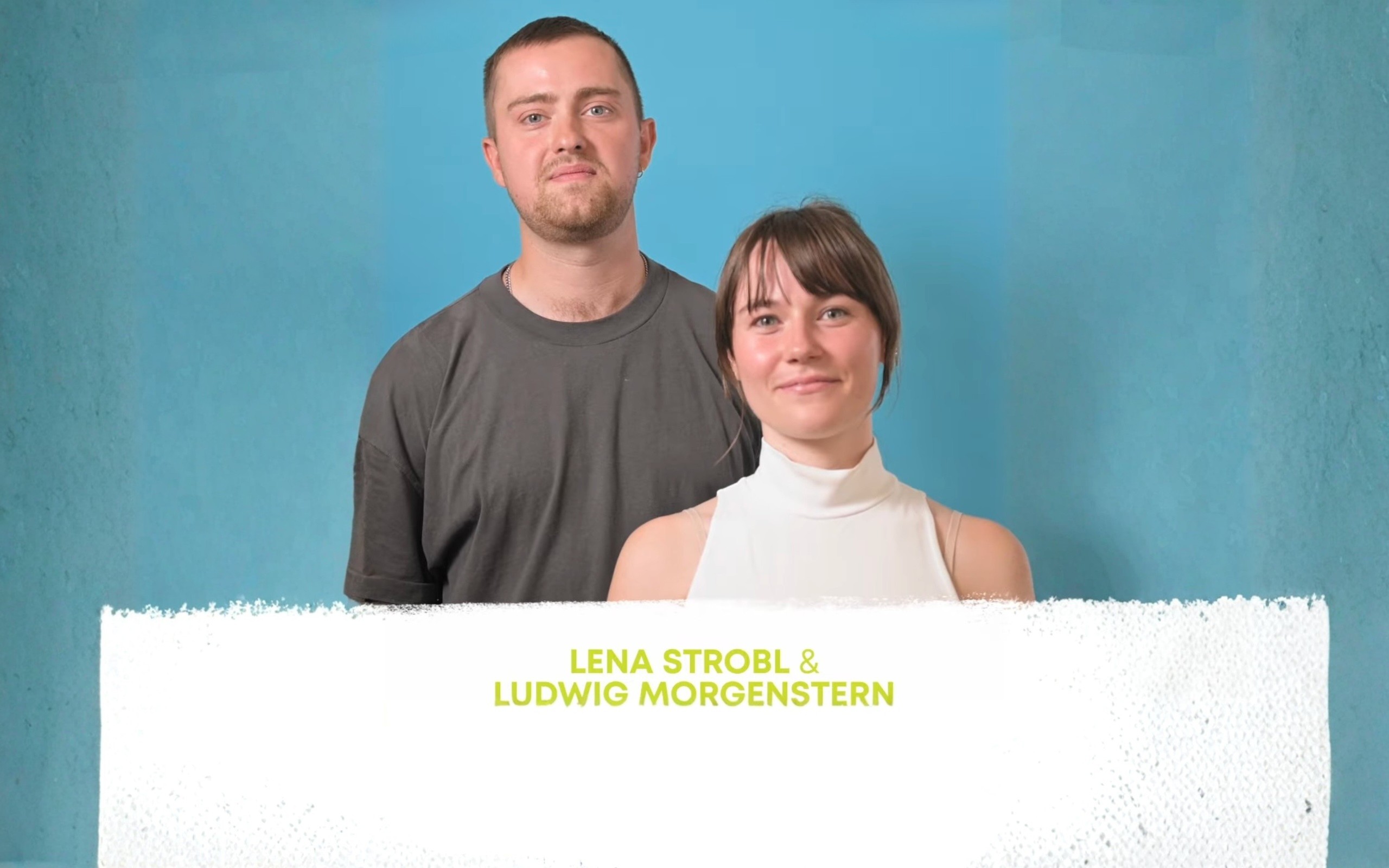
At the end of 2024, the Saxon State Ministry for Environment and Agriculture awarded FiberFlow the eku Zukunftspreis, along with €15,000 in prize money. The award recognises startups and projects working on solutions with genuine environmental relevance and it marks a significant step forward for the Leipzig-based founding team.
A Year of Progress
What makes the award particularly meaningful is the context. In 2023, Ludwig and Lena had already won the eku Preis — but with a considerably smaller sum. At that point, FiberFlow was little more than an idea developed during their studies at HTWK Leipzig.
A year later, the jury was convinced enough to award the Zukunftspreis. The idea had grown, been developed further, and was clearly being pursued with seriousness. For Ludwig and Lena, that progression is the real signal: the direction is right, and the work of the past year has shown it.
What the Funding Enables
The €15,000 will go directly into the technical work. FiberFlow is currently in the process of building its first prototypes — the goal being to prove that fiber-level separation of post-consumer textile waste can actually be made to work. Every resource at this stage goes toward answering that question faster.
The Bigger Picture
Post-consumer textile waste remains one of the harder problems in the recycling industry. Blended fabrics can't go directly into chemical or thermo-mechanical recycling processes without contaminating the output. FiberFlow's approach, separating waste textiles into clean, single-fiber fractions, addresses that gap directly. The eku Zukunftspreis is recognition that the problem is worth solving and that FiberFlow's approach to it is worth backing.
At the end of 2024, the Saxon State Ministry for Environment and Agriculture awarded FiberFlow the eku Zukunftspreis, along with €15,000 in prize money. The award recognises startups and projects working on solutions with genuine environmental relevance and it marks a significant step forward for the Leipzig-based founding team.
A Year of Progress
What makes the award particularly meaningful is the context. In 2023, Ludwig and Lena had already won the eku Preis — but with a considerably smaller sum. At that point, FiberFlow was little more than an idea developed during their studies at HTWK Leipzig.
A year later, the jury was convinced enough to award the Zukunftspreis. The idea had grown, been developed further, and was clearly being pursued with seriousness. For Ludwig and Lena, that progression is the real signal: the direction is right, and the work of the past year has shown it.
What the Funding Enables
The €15,000 will go directly into the technical work. FiberFlow is currently in the process of building its first prototypes — the goal being to prove that fiber-level separation of post-consumer textile waste can actually be made to work. Every resource at this stage goes toward answering that question faster.
The Bigger Picture
Post-consumer textile waste remains one of the harder problems in the recycling industry. Blended fabrics can't go directly into chemical or thermo-mechanical recycling processes without contaminating the output. FiberFlow's approach, separating waste textiles into clean, single-fiber fractions, addresses that gap directly. The eku Zukunftspreis is recognition that the problem is worth solving and that FiberFlow's approach to it is worth backing.
FiberFlow receives EXIST-Gründungsstipendium to develop its first Prototypes
FiberFlow receives EXIST-Gründungsstipendium to develop its first Prototypes
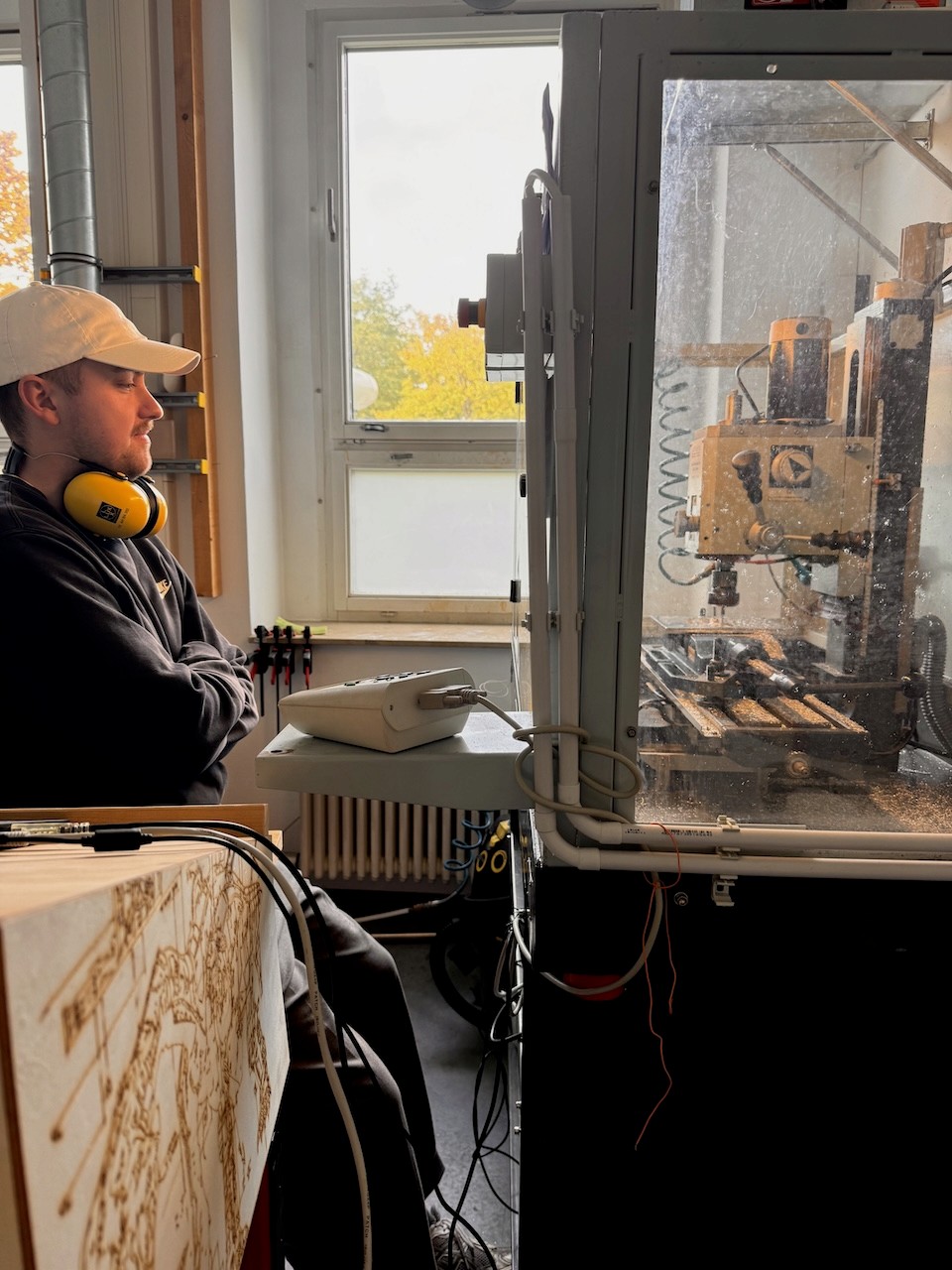
In October 2024, FiberFlow was awarded the EXIST Gründungsstipendium — a German federal grant that supports early-stage deep-tech startups in turning university research into viable companies. For founders Ludwig and Lena, it marks the starting point: the funding gives them the time and resources to focus solely on building first prototypes and proving that their process actually works.
What the Scholarship Enables
The EXIST Gründungsstipendium is hosted at HTWK Leipzig, where Ludwig and Lena both studied and developed the initial idea for FiberFlow's fiber separation process. The scholarship, covering living costs, project expenses, and coaching for up to one year, gives the two founders the ability to stop working on the side and dedicate themselves fully to the technology for the first time.
The immediate goal is to find out whether the process works in hardware, with real textile waste as input.
The Problem FiberFlow Is Addressing
Post-consumer textile waste is a mixed-fiber problem. Recyclers running chemical, thermo-mechanical, or biological processes need clean, single-fiber input — blended fabric bales degrade yield, clog reactors, and compromise output quality. Sorting at the fiber level is the missing step between textile collection and recycling at scale.
FiberFlow's idea is to separate post-consumer and post-industrial textile waste into single-fiber fractions: polyester, cellulose, polyamide, polypropylene, acrylic, and elastane. Whether that separation can be made to work reliably is what the next months will show.
What Comes Next
Ludwig and Lena will spend the scholarship period building first prototypes and beginning to talk with potential customers — recycling companies that need high-purity fiber fractions as feedstock.
It is early days. But the EXIST grant means FiberFlow can finally find out if the idea holds up.
In October 2024, FiberFlow was awarded the EXIST Gründungsstipendium — a German federal grant that supports early-stage deep-tech startups in turning university research into viable companies. For founders Ludwig and Lena, it marks the starting point: the funding gives them the time and resources to focus solely on building first prototypes and proving that their process actually works.
What the Scholarship Enables
The EXIST Gründungsstipendium is hosted at HTWK Leipzig, where Ludwig and Lena both studied and developed the initial idea for FiberFlow's fiber separation process. The scholarship, covering living costs, project expenses, and coaching for up to one year, gives the two founders the ability to stop working on the side and dedicate themselves fully to the technology for the first time.
The immediate goal is to find out whether the process works in hardware, with real textile waste as input.
The Problem FiberFlow Is Addressing
Post-consumer textile waste is a mixed-fiber problem. Recyclers running chemical, thermo-mechanical, or biological processes need clean, single-fiber input — blended fabric bales degrade yield, clog reactors, and compromise output quality. Sorting at the fiber level is the missing step between textile collection and recycling at scale.
FiberFlow's idea is to separate post-consumer and post-industrial textile waste into single-fiber fractions: polyester, cellulose, polyamide, polypropylene, acrylic, and elastane. Whether that separation can be made to work reliably is what the next months will show.
What Comes Next
Ludwig and Lena will spend the scholarship period building first prototypes and beginning to talk with potential customers — recycling companies that need high-purity fiber fractions as feedstock.
It is early days. But the EXIST grant means FiberFlow can finally find out if the idea holds up.